
Melbourne’s Leading Concrete Pouring Specialists
Oops! Something went wrong while submitting the form.
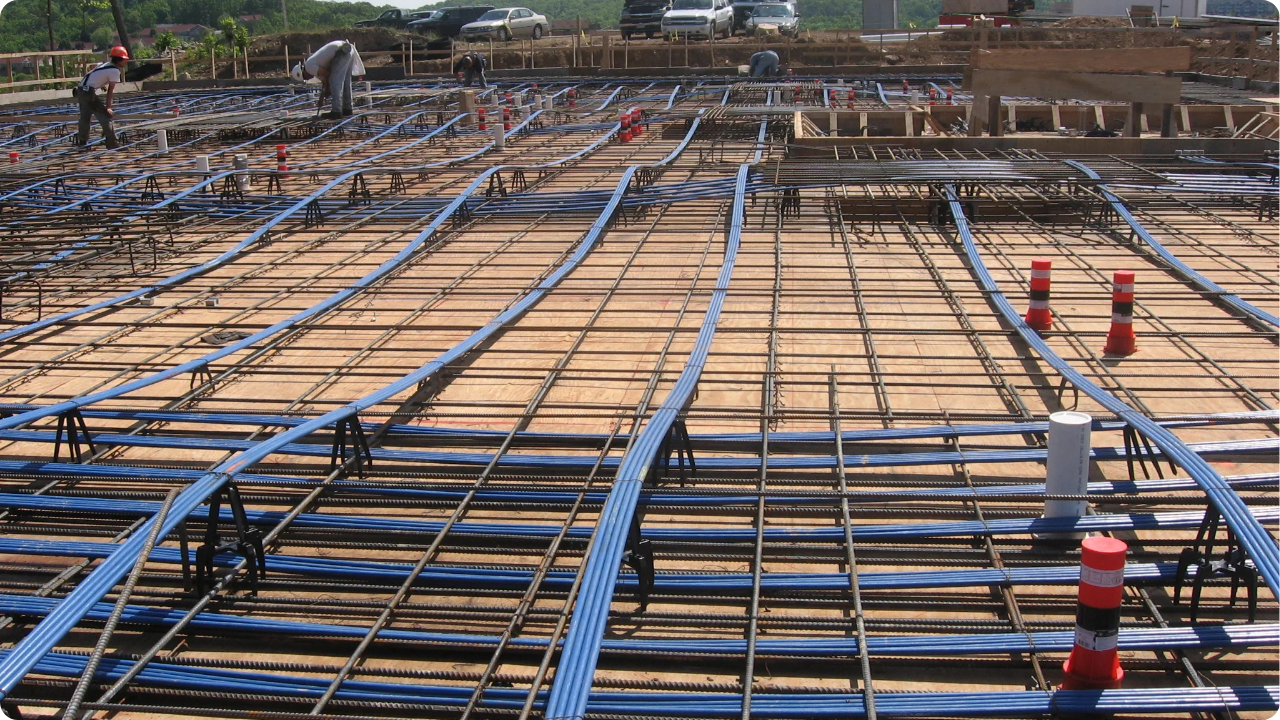
Post-tensioning issues cause more than 40 of early slab defects in residential and commercial builds across Australia. That is a huge hit to safety, budget, and timelines.
One small error in planning or stressing can create cracking, deflection, or long-term performance problems that haunt a project for years. It is frustrating, costly, and completely avoidable.
This guide breaks down the most common post-tensioning mistakes and shows you how to stay ahead of them with smart planning, on-site precision, and solid quality control.
Accurate post-tensioning plays a major role in how well a concrete structure performs in Melbourne’s varied conditions. Local builds deal with shifting soils, temperature swings, and load demands that change based on design, use, and location.
When post-tensioning is done correctly, each tendon carries its intended share of the load, which keeps slabs tight, stable, and resistant to movement. It also helps control cracking, protects long-term durability, and improves overall structural efficiency.
Any inaccuracy, even a small one, can create uneven stress that leads to early issues such as deflection or surface separation. These problems often appear months or even years after construction, becoming expensive headaches for builders, engineers, and clients.
Accurate post-tensioning supports safety, compliance, and smoother project delivery. It gives teams the confidence that each structural element meets performance expectations and reduces the risk of costly repairs later. This is why Melbourne projects rely so heavily on precision from start to finish.
Post-tensioned slabs perform optimally only when each stage is completed with absolute precision, and that is where mistakes often begin. Here are some of the errors seen:
Incorrect tendon placement is one of the most frequent on-site errors and often stems from rushed installation or poor interpretation of engineering drawings. When tendons sit outside the intended spacing or profile, the slab loses its designed load path and overall performance.
This mistake increases cracking risks, uneven stress distribution, and long-term movement issues. Careful checks, layout verification, and communication between site crews and engineers prevent these problems and protect slab integrity.
Incorrect chair height disrupts the tendon profile and prevents the slab from achieving its designed structural behaviour. When tendons sit too low or too high, the result is poor stress transfer and early cracking once stressing begins.
This issue often occurs when crews rush or use the wrong chair type for the required height. Regular checks, height measurement, and proper support selection ensure tendons remain stable during the pour and maintain the required profile for optimal strength.
Ducts must remain clean, aligned, and fully sealed for tendons to move freely during stressing. Crushed ducts, kinks, blockages, or poorly sealed joints restrict tendon movement and create unnecessary friction.
These issues lead to partial stressing, uneven load transfer, and long term corrosion risks. Proper duct inspection before pouring, sealing all joints, and protecting the pathway from debris ensure the tendon can travel smoothly. This reduces friction loss and preserves the structural performance of the system.
Concrete cover protects tendons from moisture and corrosion, making consistent placement critical for durability. When crews fail to maintain uniform cover, tendons may sit too close to the surface or too deep within the slab.
This increases vulnerability to weather exposure, reduces performance, and may lead to premature deterioration. Consistent measurement, chair checks, and supervision during pouring help maintain correct cover. This ensures the post tensioned system remains robust, reliable, and aligned with engineering requirements.
Stressing too early is a major cause of preventable cracking. The concrete must reach the required strength before tendons are stressed; otherwise, the slab cannot resist the forces applied.
Rushed schedules, poor communication, or inaccurate strength tests often lead to premature stressing. Allowing adequate curing time and verifying concrete strength through reliable testing methods ensures the slab is ready for the process. This protects structural performance and prevents avoidable damage during the most critical stage.
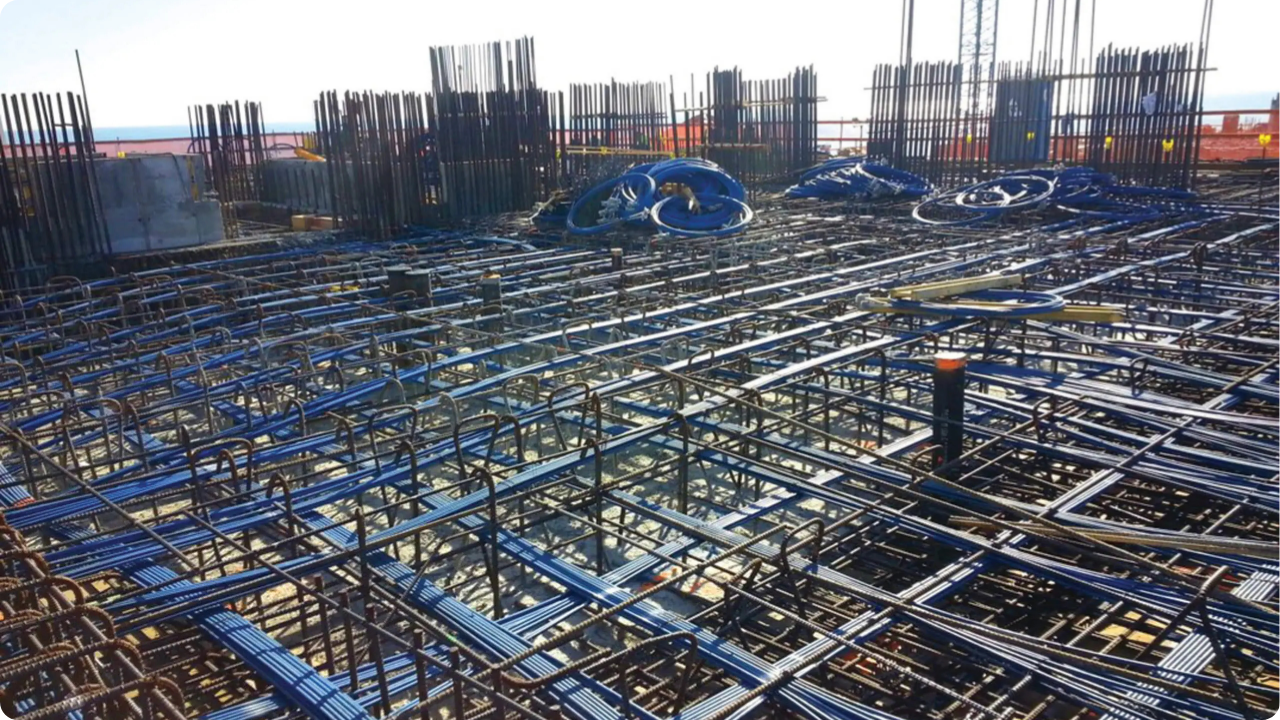
Using uncalibrated or poorly maintained stressing equipment leads to inaccurate force readings. Over-stressing or under-stressing tendons changes the way forces are distributed through the slab, resulting in reduced performance and increased long-term risk.
Errors commonly arise from outdated gauges, rushed setups, or inexperienced operators. Ensuring equipment is calibrated, operators are trained, and readings are verified maintains the required stressing profile. This supports structural reliability and prevents costly rework.
Anchor zones carry concentrated forces and require meticulous preparation. Missing reinforcement, poorly tied steel, or incorrect placement weakens the zone and increases risks such as spalling or cracking during stressing.
These failures usually occur when crews overlook drawings or skip essential checks before the pour. Ensuring the anchor zone is reinforced exactly as specified and verified by supervisors prevents movement and damage. This care protects the slab and maintains the performance of the entire post-tensioned system.
Proper grouting protects the tendons from corrosion by filling ducts and eliminating air pockets. When grouting is rushed, inconsistently mixed, or inadequately monitored, voids remain around the tendons.
These voids eventually trap moisture, weaken the system, and shorten the service life of the structure. Conducting grout flow tests, monitoring pressure, and ensuring final checks after injection help confirm ducts are filled. This creates long-term protection and enhances the durability of post-tensioned concrete.
Good documentation supports compliance and protects builders from liability. Missing stress logs, absent photographs, or incomplete inspection records limit the ability to confirm the slab was built correctly.
Poor documentation usually occurs when crews skip steps due to time pressure or unclear responsibilities. Establishing clear checklists, photo requirements, and daily sign-offs ensures each stage is validated. This process strengthens quality assurance and supports the long-term performance of every post-tensioned slab Urban Pour delivers.
Avoiding post-tensioning mistakes starts with careful planning, skilled workmanship, and consistent checks that keep every slab performing safely and reliably. See solutions below:
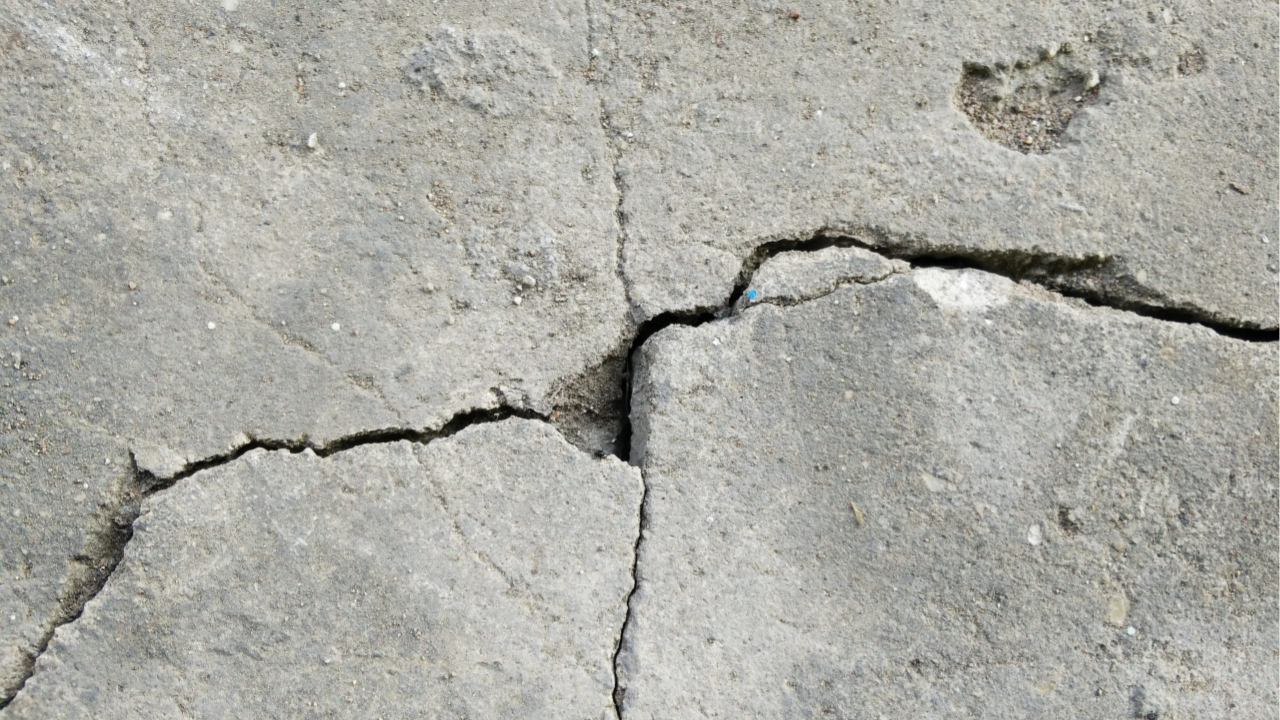
Post-tensioned slabs often reveal early clues when something is wrong, and recognising these signs quickly can prevent major structural problems. Here are some of the warning signs:
Urban Pour has earned a strong reputation across Melbourne for delivering post-tensioned slabs that meet strict engineering, safety, and performance standards. Builders trust the team because every stage, from tendon layout to stressing, is handled with accuracy and care.
Urban Pour works closely with engineers and site supervisors to ensure each slab is prepared, poured, and stressed exactly as required. This reduces the risk of cracking, deflection, or long-term structural issues.
The crew brings extensive experience with residential, commercial, and complex architectural projects, which means challenges are anticipated early and solved before they become costly problems.
Quality control is central to every pour, supported by clear communication and consistent site supervision. Clients also value the reliability, punctual project delivery, and commitment to getting things right the first time.
With Urban Pour, builders gain a partner who prioritises precision, safety, and long-lasting concrete performance across every post-tensioned installation.
Avoiding post-tensioning mistakes is one of the smartest ways to protect the strength and lifespan of any Melbourne project. Small errors can grow into costly defects, while precise planning and careful stressing keep every slab performing as intended.
If you want a team that treats accuracy as a non-negotiable, reach out to Urban Pour. Our experience, quality control, and reliable onsite practice help safeguard your build from preventable issues.
Contact Urban Pour today and get expert support for safer, stronger post tensioned concrete.

Safe concrete pours begin with strong, well-designed formwork. This article breaks down essential formwork rules that keep structures stable and reduce the risk of failures.
See morePoor post-tensioning can lead to cracking, deflection, and long-term structural issues. This article outlines common mistakes and shows how to avoid them for safer concrete performance.
See more
Choosing the right concrete slab thickness protects your project from cracks, movement, and costly repairs. Understand key factors like soil, loads, and engineering to build with confidence.
See more