
Melbourne’s Leading Concrete Pouring Specialists
Oops! Something went wrong while submitting the form.

More than one-third of concrete pour failures on Australian sites are linked to weak or poorly planned formwork. That is a serious hit to safety, quality, and project timelines.
When formwork shifts, leaks, or collapses, everything stops. Crews are put at risk, pours are wasted, and the cost of rework can blow out fast. No builder wants that headache.
This guide walks you through the essential formwork design rules that keep pours stable, safe, and compliant. You will learn how smart planning and solid setup protect every Melbourne project.
Safe formwork design matters because it protects both the structure and the people working around it. Fresh concrete is incredibly heavy and places immediate pressure on every part of the formwork system.
If the design is weak, poorly braced, or incorrectly aligned, even a small flaw can lead to blowouts, collapse, or serious safety risks. Melbourne projects also face varied site conditions, tight access, and fast-paced schedules, which means formwork must be stable, accurate, and ready to handle real-world challenges.
Good design keeps panels rigid, maintains the correct geometry, and prevents slurry leaks that affect the final finish. It also supports smooth vibration, better curing, and cleaner stripping.
When formwork is planned properly from the start, crews work more confidently, inspections run smoothly, and concrete achieves the strength and quality it was engineered for. Safe formwork design is one of the smartest investments any builder can make.
Strong formwork begins with clear principles that protect every pour from movement, pressure issues, and costly failures on busy Melbourne sites. Here are the key rules for formwork:
Accurate load calculation is the foundation of safe formwork design. The system must support wet concrete pressure, vibration forces, worker movement, and the full rate of placement.
When loads are underestimated, the risk of blowouts, collapse, or surface defects increases. Designers must consider concrete height, pour speed, temperature, and reinforcement density. By basing all decisions on reliable calculations and engineering requirements, the formwork can safely carry pressure during every stage of the pour.
Formwork must be designed to handle the full weight and pressure of fresh concrete without shifting or deforming. When strength or stiffness is underestimated, panels can bulge, joints can open, and entire sections may collapse during the pour.
Accurate load calculations, strong support systems, and proper load paths ensure stability from start to finish. This level of planning protects workers, prevents failures, and helps the concrete achieve its intended shape and structural performance.
Bracing is essential for stopping movement during placement and vibration. Without a well-planned bracing layout, even strong formwork can twist, lean, or slip as concrete flows in. Poor bracing is one of the most common causes of blowouts on busy sites.
Correct spacing, firm connections, and stable ground support keep the entire structure rigid. Good bracing gives teams confidence during the pour and ensures the final geometry remains accurate.
Accurate alignment helps deliver clean, straight, and true concrete surfaces. When formwork is out of level or not plumb, the finished structure reflects those errors, leading to costly rework or structural inconsistencies.
Simple checks with lasers, stringlines, and levels before pouring prevent these issues. Good alignment also avoids unnecessary pressure points that can stress certain panels. Taking the time to set everything correctly allows the pour to run smoothly and improves the overall finish.
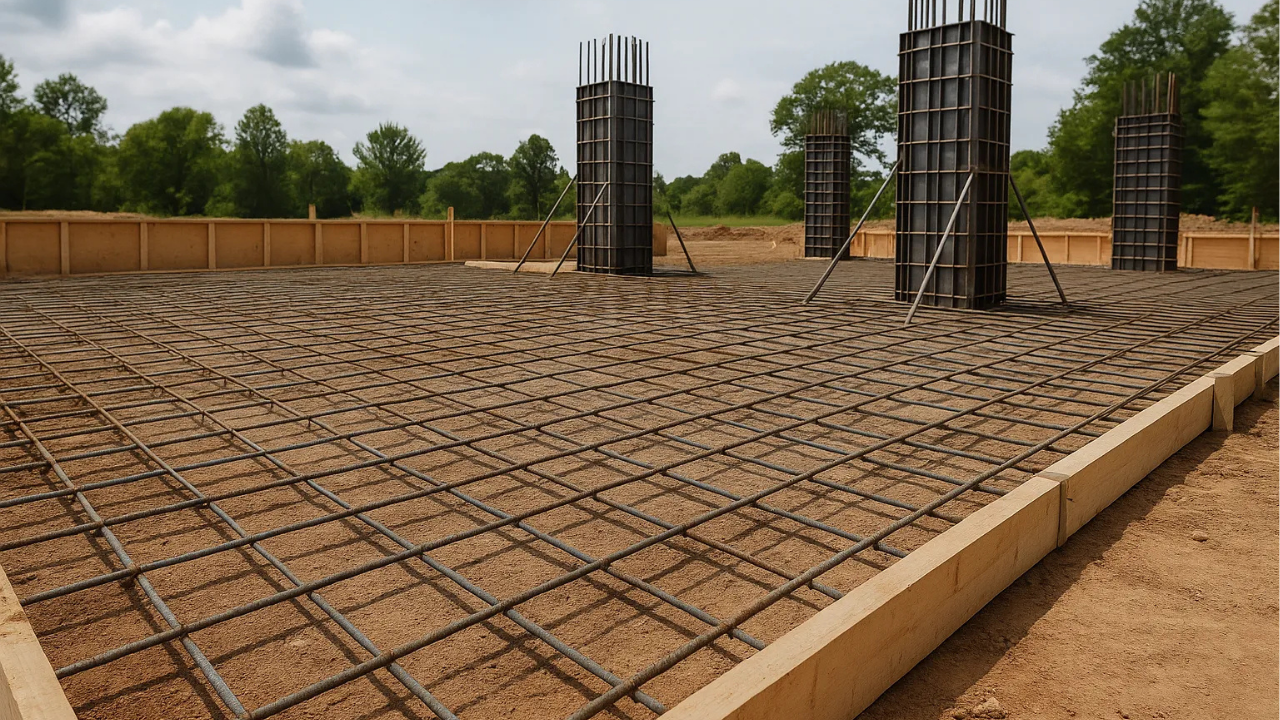
Even small gaps in formwork can lead to slurry loss, honeycombing, and weakened concrete edges. Leaks also create messy site conditions and slow down the pour.
Ensuring boards are tight, joints are sealed, and corners are reinforced helps control the movement of fresh concrete. Foam strips, backing rods, and well-fitted panels close off weak points. When the system is sealed properly, the concrete consolidates better and produces a stronger, more uniform result.
Not all formwork materials perform well under the same conditions. Timber, plywood, steel, and proprietary systems each respond differently to moisture, load, and repetitive use. Using worn or unsuitable materials increases the risk of swelling, bending, or premature failure.
Selecting the right material for the environment improves safety and finish quality. Regular inspections, proper storage, and replacing damaged pieces ensure the formwork remains reliable throughout multiple pours and changing weather conditions.
Concrete pressure increases with pour height and speed, so a controlled rate is essential for safety. Pouring too quickly forces excessive pressure against the forms, which can cause bulging, deformation, or sudden failure.
Coordinating the pour with vibration routines and concrete supply timings helps maintain stability. When crews keep the pour consistent and well-paced, the formwork absorbs pressure evenly, and the structure gains strength without unnecessary risk to the team.
Formwork design must include stable access points and safe working platforms for crews placing reinforcement, fixing bracing, and managing the pour. When access is an afterthought, workers are forced into unsafe positions that increase the risk of falls, slips, and poor workmanship.
Incorporating secure walkways, guardrails, and clear working zones ensures tasks can be completed efficiently and safely. Good access planning supports better oversight during concrete placement and gives workers confidence throughout the pour.
Formwork failures rarely happen by accident, and most start with simple mistakes that create major safety risks once concrete pressure builds. See some of the errors:
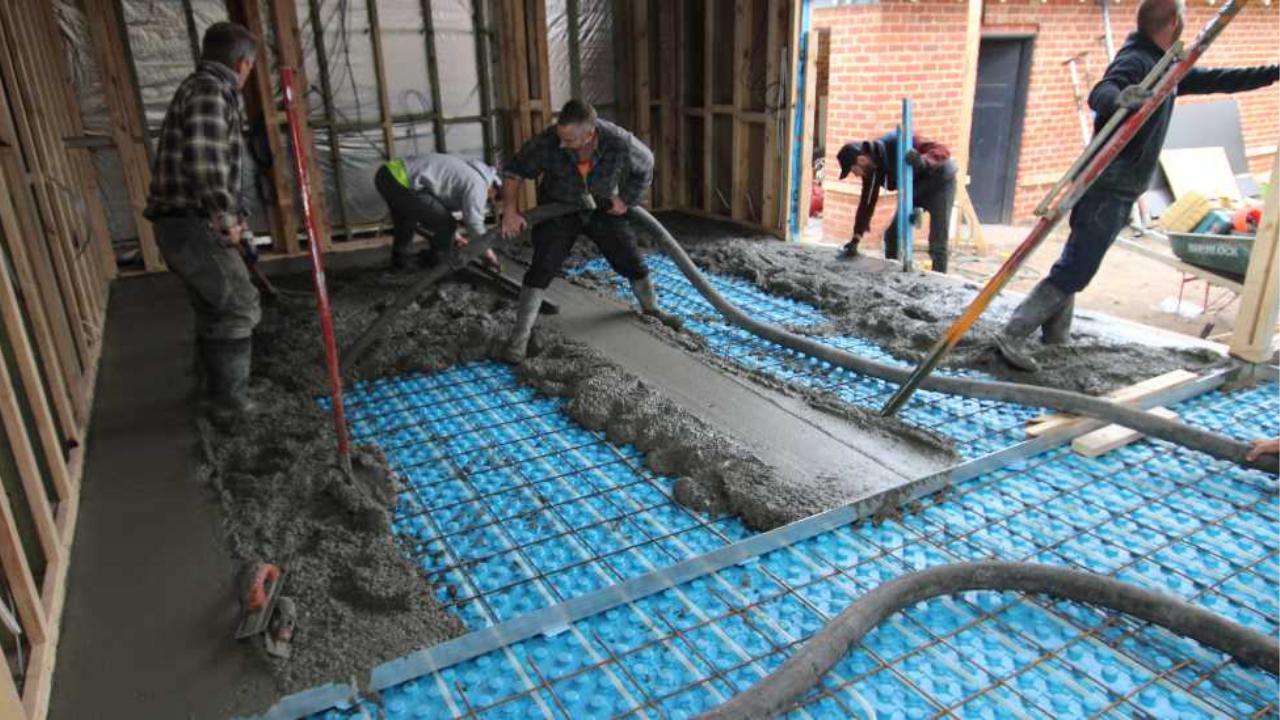
Ensuring safe and efficient formwork on site begins with strong planning and a clear understanding of load behaviour. Every panel, brace, and connection must be installed according to engineering specifications, since even small deviations can affect stability once concrete pressure builds.
Crews should complete thorough pre pour inspections, checking alignment, levels, bracing tightness, and sealing points to eliminate gaps or movement. Good communication between supervisors, formworkers, steel fixers, and pump operators helps the pour run smoothly without sudden pressure spikes.
Skilled installers also play a major role, as experienced teams know how to recognise weak points before they become hazards. During the pour, continuous monitoring ensures the formwork performs as expected, especially around corners, joints, and areas receiving heavy vibration.
Once the concrete gains strength, correct stripping procedures protect the surface and maintain structural integrity. With these steps, sites achieve safer, cleaner, and more reliable formwork outcomes for every Melbourne project.
Unsafe formwork often reveals subtle clues before failure, and spotting these early signs can prevent serious incidents during concrete pours.
Urban Pour has built a strong reputation in Melbourne for delivering safe, accurate, and well-managed concrete pours on projects of every scale. Builders trust the team because safety and precision are treated as core responsibilities, not optional extras.
Every pour begins with careful planning, strong communication, and a clear understanding of engineering requirements. The crew ensures all formwork, reinforcement, and site conditions are checked thoroughly before concrete arrives, reducing the risk of blowouts, movement, or unnecessary delays.
Urban Pour’s supervisors maintain consistent oversight during placement, guiding vibration, monitoring formwork behaviour, and managing the pour sequence to achieve the best possible finish. Clients value the reliability, attention to detail, and the genuine pride the team brings to each job.
With Urban Pour, you gain a partner committed to high standards, safe practice, and long-lasting results that support the structural performance of your build.
Strong formwork is the backbone of every safe and successful concrete pour. When it is designed and installed correctly, you avoid blowouts, movement, and costly site delays.
The right rules protect crews, improve finish quality, and keep projects on track from the first panel to the final strip. If you want a team that treats formwork safety as a priority, reach out to Urban Pour.
Our experience, planning, and reliable site practice help deliver stable, accurate concrete pours across Melbourne. Contact Urban Pour today and get it done right.
Safe concrete pours begin with strong, well-designed formwork. This article breaks down essential formwork rules that keep structures stable and reduce the risk of failures.
See more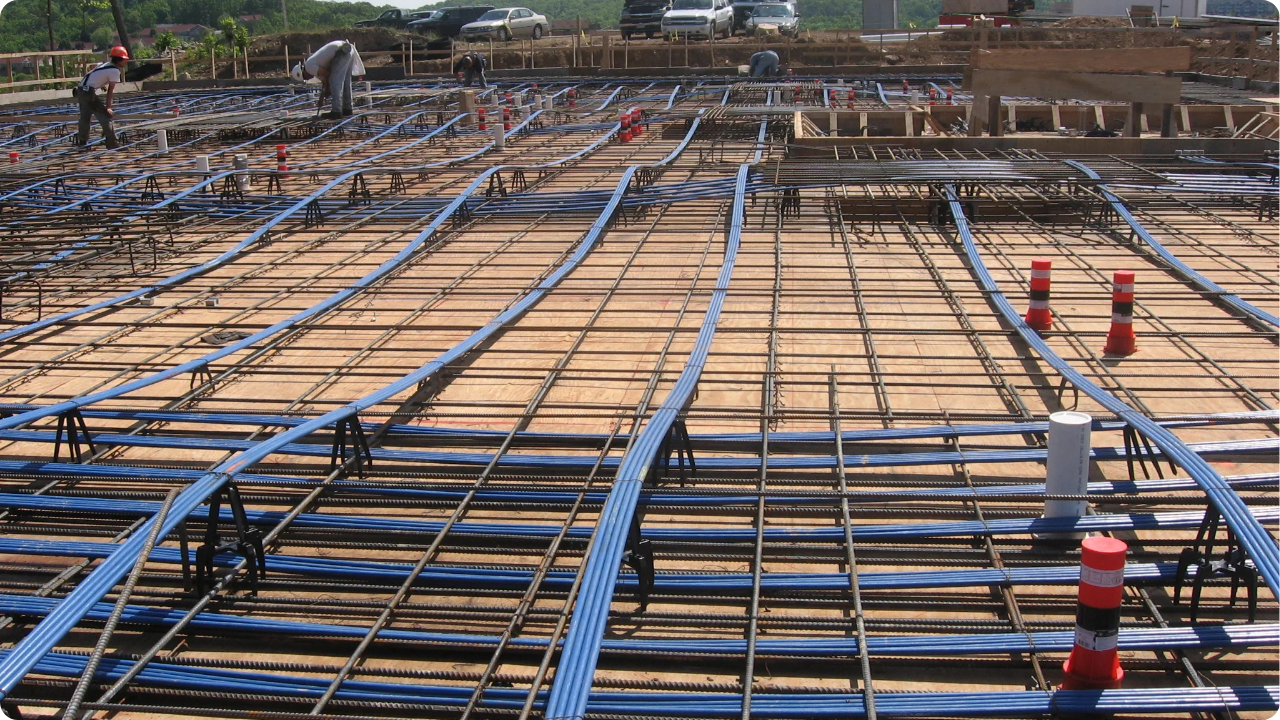
Poor post-tensioning can lead to cracking, deflection, and long-term structural issues. This article outlines common mistakes and shows how to avoid them for safer concrete performance.
See more
Choosing the right concrete slab thickness protects your project from cracks, movement, and costly repairs. Understand key factors like soil, loads, and engineering to build with confidence.
See more