
Melbourne’s Leading Concrete Pouring Specialists
Oops! Something went wrong while submitting the form.
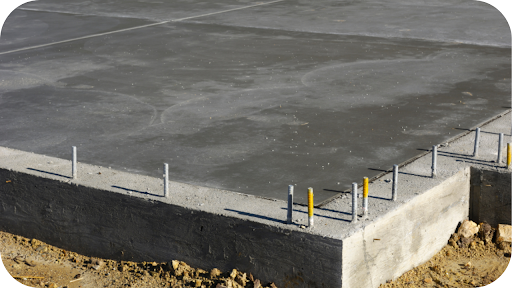
Most slab failures start with one simple mistake. The thickness is wrong. It sounds small, yet more than 30% of early concrete cracks link back to poor thickness choices.
Go too thin and the slab moves, sinks, or splits. Go too thick and you waste money without gaining proper strength. It becomes a costly gamble no builder wants to take!
This guide breaks down the ideal thickness for house slabs, driveways, patios, sheds, and commercial work, giving you clear Aussie-focused advice you can trust before your next pour.
A concrete slab in Australia is usually 100 millimetres thick, but the right thickness depends on how the slab will be used. Residential house slabs commonly sit at 100 millimetres with reinforcement, while driveways often need 100 to 125 millimetres to handle vehicle loads.
Garages or heavy-use areas may require 125 to 150 millimetres, and commercial applications can range from 150 to 200 millimetres. Soil conditions, load requirements and local standards such as AS 2870 all influence the final design, so a qualified engineer should confirm the correct slab thickness for your site.
The right slab thickness depends on several site and load factors that work together to create lasting strength, stability, and performance. Here are the key factors:
Different projects demand different slab thicknesses, and each application relies on tailored engineering to ensure long-lasting strength, stability, and performance. See below:
Internal residential slabs usually range from 100 to 120 millimetres, depending on soil reactivity, reinforcement, and structural requirements. These slabs support everyday loads, cabinetry, partition walls and foot traffic.
Correct mesh placement helps reduce shrinkage cracking and improves long-term performance. Builders often follow engineering guidelines based on Melbourne soil classifications for reliable results.
Driveways and garage floors generally require between 120 and 150 millimetres to handle cars, utes and occasional light machinery.
Stronger reinforcement mesh and higher concrete strength grades are often used to resist surface abrasion, wheel loads and seasonal ground movement. Adding thickened edges improves stability and reduces the chance of cracking under heavy tyre pressure.
Outdoor areas that only carry foot traffic and light furniture can use slabs between 75 and 100 millimetres. These spaces face temperature changes, moisture and ground movement, so good site preparation is essential.
Adequate compaction, drainage and reinforcement control cracking and improve surface durability, keeping the slab stable through changing weather conditions.
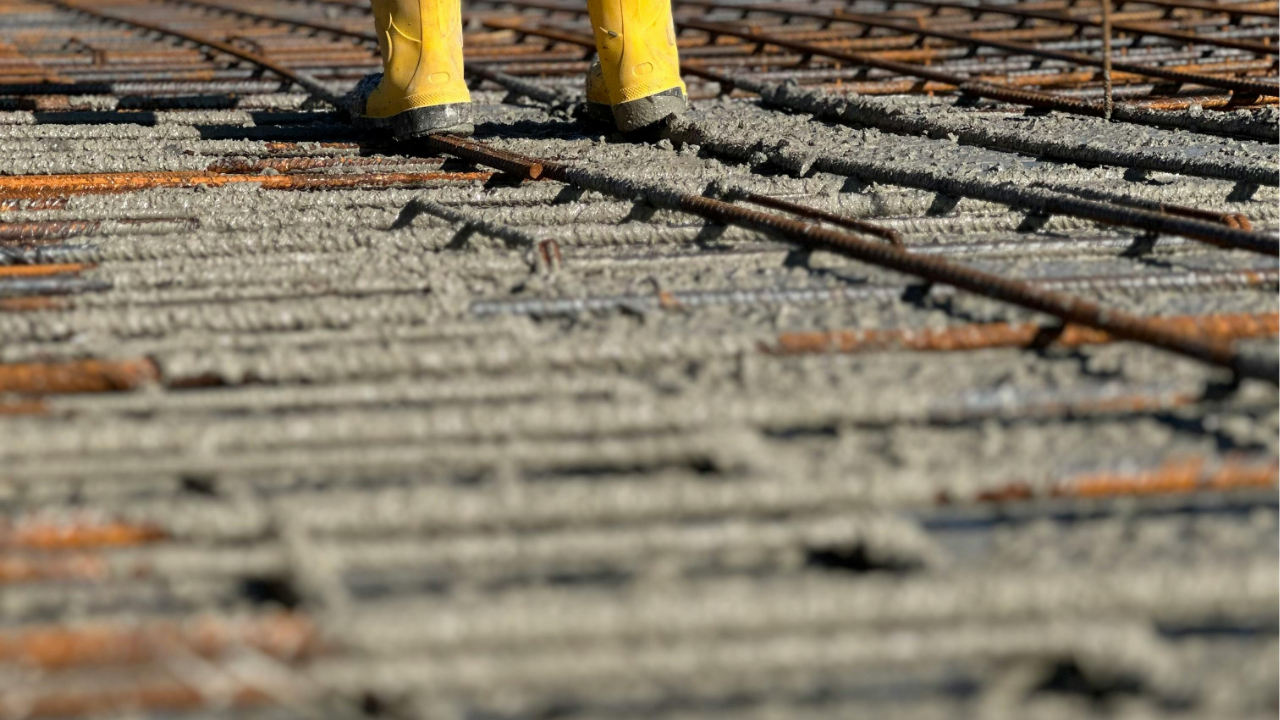
Industrial floors must support forklifts, pallet jacks and heavy equipment, which is why thickness often ranges from 150 to 200 millimetres or more.
Strong reinforcement, high-grade concrete and engineered joint layouts reduce wear and structural stress. These slabs deliver reliable performance across large floor areas subject to continuous movement and significant load demands.
Areas that carry trucks, delivery vehicles and regular loading cycles typically require 180 to 230 millimetres. The increased thickness improves load distribution and reduces deformation under high pressure.
Engineers often specify dowels, reinforced joints and higher concrete strength to ensure long-term safety and compliance for demanding commercial or public use environments.
Slab thickness matters, but it is only one part of a much bigger structural picture. A thick slab without proper reinforcement, base preparation, or curing will still crack, shift, or weaken over time.
Every slab relies on a balanced combination of concrete strength, steel placement, soil stability, drainage control, and accurate joint spacing to perform as intended.
Even small mistakes in compaction, vapour barrier installation, or mesh positioning can undermine the slab regardless of how thick it is.
Melbourne’s varied soil conditions make this even more important because reactive clay and moisture changes place constant pressure on the structure.
When thickness is supported by strong preparation, correct reinforcement, and compliant engineering, the slab stays stable, durable, and capable of handling its designed load for years.
Incorrect slab thickness creates hidden weaknesses that quickly turn into costly structural problems, affecting both performance and long-term durability. Some of the problems caused:
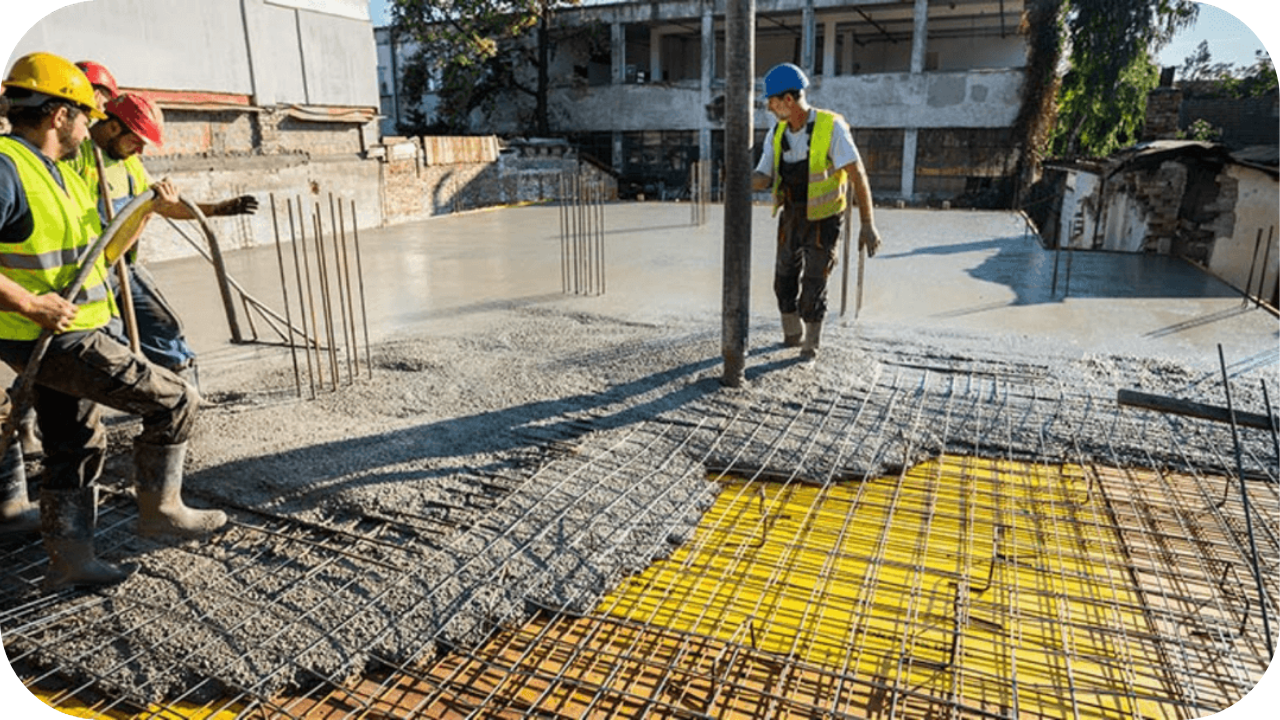
Urban Pour follows a precise and proven process to guarantee the correct slab thickness for every project.
It begins with a thorough site assessment where soil type, compaction levels, drainage, and ground movement risks are identified. This information guides the engineering team in selecting the ideal thickness for long-term performance.
Each slab is reinforced according to load demands, whether it is a driveway, house, shed floor, or commercial space. The team prepares a solid base with proper compaction and moisture control before any concrete is poured.
Every step is checked for accuracy, including reinforcement placement, vapour barriers, and edge detailing. Once the pour begins, Urban Pour controls mix strength, curing, and finishing to protect the slab from early movement or cracking. This meticulous process ensures every slab meets Australian Standards and delivers reliable, durable results.
Concrete slab thickness shapes the strength, performance, and lifespan of every project, which is why the right measurement is never a guess. When soil conditions, loads, and engineering needs align, you get a slab that stays stable and trouble-free for years.
If any of these elements are overlooked, issues can appear long before they should. For peace of mind and quality that holds firm, partner with Urban Pour. Our team ensures your slab is built correctly from the first assessment to the final pour.

Safe concrete pours begin with strong, well-designed formwork. This article breaks down essential formwork rules that keep structures stable and reduce the risk of failures.
See more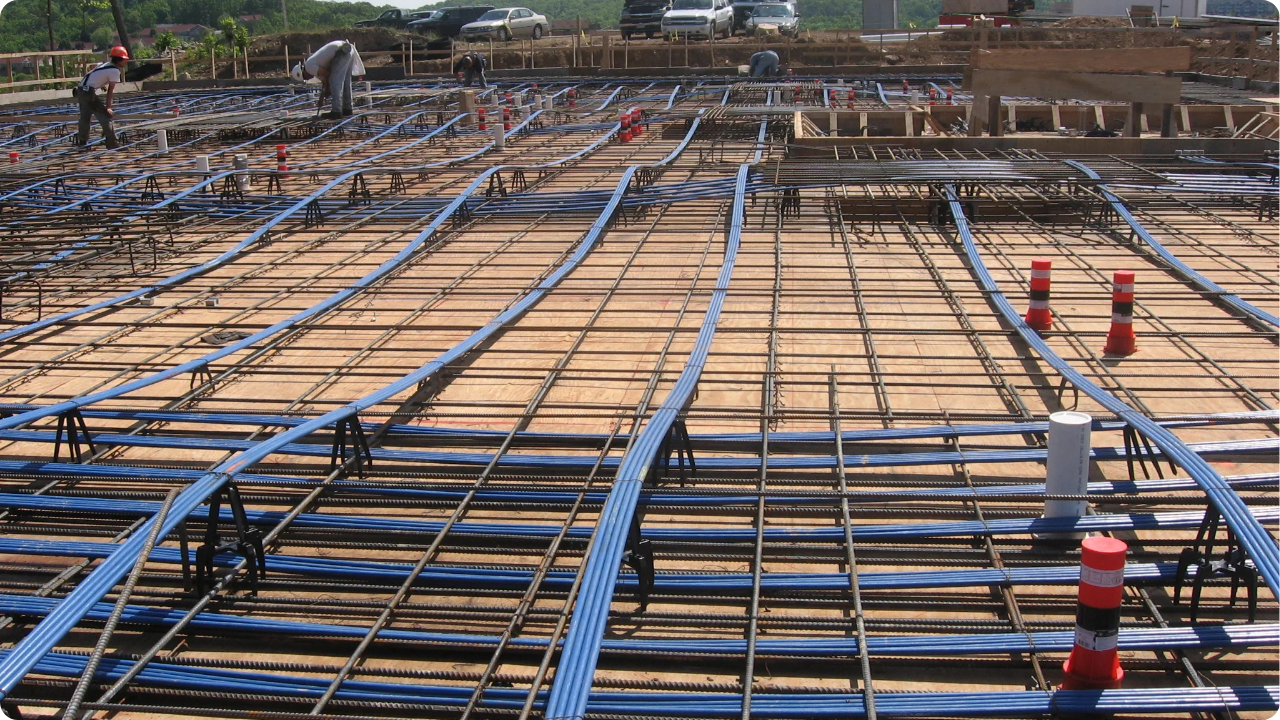
Poor post-tensioning can lead to cracking, deflection, and long-term structural issues. This article outlines common mistakes and shows how to avoid them for safer concrete performance.
See moreChoosing the right concrete slab thickness protects your project from cracks, movement, and costly repairs. Understand key factors like soil, loads, and engineering to build with confidence.
See more